Guest Star: A Versatile Font for Editorial Design
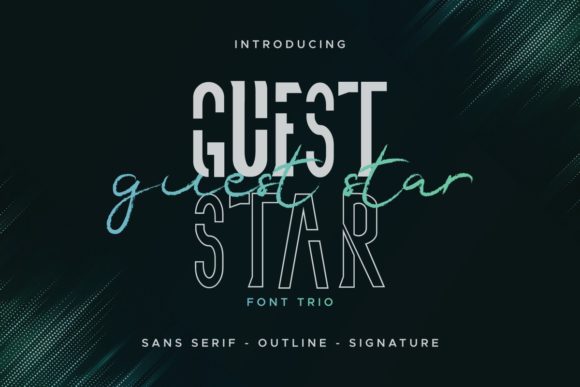
As I sat down to redesign the header of my lifestyle blog, I knew I needed a font that would not only catch the eye but also set the right tone. After sifting through countless options, I stumbled upon Guest Star, a spectacular duo font consisting of a serif and script typeface. This premium font is incredibly versatile, fitting a wide range of designs and elevating them to the highest levels.
The Visual Character of Guest Star
Guest Star has a unique visual character that blends elegance with a touch of playfulness. The serif variant is clean and refined, making it perfect for titles and headings. The script version, on the other hand, adds a handwritten, personal touch that can be used for accents, pull quotes, or decorative elements. Together, they create a balanced and harmonious look that enhances the overall design.
Using Guest Star in Blog Headers and Article Titles
For my blog, I decided to use the serif variant of Guest Star for the main header. It provided a strong, professional look that immediately caught the reader's attention. The script version, with its flowing, elegant lines, was ideal for the subheading, adding a touch of creativity and personality. This combination not only looked visually appealing but also supported the visual hierarchy, guiding the reader's eye naturally from the main title to the subheading.
Editorial Appeal and Publication Identity
One of the key strengths of Guest Star is its ability to support publication identity. Whether you're designing a digital magazine, a recipe ebook, or a wedding guide, this font can help establish a consistent and memorable brand. For example, in a digital magazine layout, the serif variant can be used for the cover text and article titles, while the script version can add a personal touch to pull quotes and section openers. This creates a cohesive and professional look that resonates with the audience.
Readability and Practical Considerations
When it comes to readability, Guest Star performs exceptionally well in larger sizes. It is perfect for titles, subtitles, and pull quotes, where the text needs to stand out and make an impact. However, for body copy, small captions, or dense paragraphs, it may be too expressive and could potentially strain the reader's eyes. In such cases, it's best to pair Guest Star with a more readable serif or sans serif font for the body text.
- Titles and Subtitles: Use the serif variant for a clean, professional look.
- Pull Quotes and Accents: Add the script variant for a personal, creative touch.
- Body Text: Pair with a readable serif or sans serif font for better legibility.
Real-World Examples and Applications
In a recent project, I used Guest Star for a coaching workbook. The serif variant was perfect for the chapter titles and section headings, providing a clear and authoritative feel. The script version added a warm, inviting touch to the introductory pages and motivational quotes. This combination not only made the workbook visually appealing but also enhanced the overall reading experience, making it more engaging and enjoyable for the readers.
Another practical application is in newsletter graphics. The serif variant can be used for the main headline, while the script version can add a personal touch to the opening line or a special offer. This makes the newsletter more visually interesting and helps to capture the reader's attention.
Practical Font Pairing and Licensing
When using Guest Star in your projects, it's important to consider font pairing. A good rule of thumb is to pair the display font with a readable serif or sans serif font for body copy. For example, you might use a classic serif like Garamond or a clean sans serif like Helvetica for the body text. This ensures that the content remains readable and accessible, even in long-form articles or ebooks.
Before using Guest Star in your commercial projects, such as ebooks, templates, printables, or paid newsletters, make sure to check the included styles, alternates, ligatures, weights, and multilingual support. Additionally, verify the commercial font licensing to ensure that you are using the font legally and ethically.
In conclusion, Guest Star is a versatile and elegant font that can elevate any editorial design project. Whether you're working on a lifestyle blog, a recipe ebook, a wedding guide, or a coaching workbook, this font offers a perfect blend of professionalism and creativity. By carefully considering its use and pairing it with complementary fonts, you can create a visually stunning and highly readable publication that resonates with your audience.